
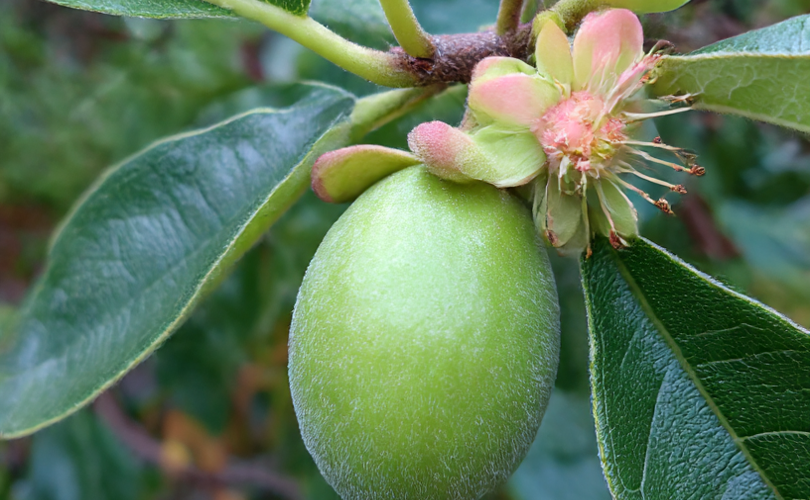
Acca sellowiana from the Myrtaceae family.
Also known as Pineapple Guavas, Guavasteen, Brazillian Guavas, Fig Guavas, Guayabo Del Pais. (They are not related to Guavas!)
Favoured by home gardeners for their disease resistance, ornamental nature and ability to be grown in small spaces or containers
High in Vitamin A
NZ is one of the largest commercial growers of Feijoa, Including a Feijoa festival in Auckland.
Named after a Brazilian botanist João da Silva Feijo.
Can be planted all year round however the best time is spring or autumn
Feijo likes a fertile, well drained soil. Slightly acidic
Can cope with frosts and periods of dryness. Avoid reflections as to much heat eg from windows etc can burn the fruit.
Stake new trees for support
Takes 3-5 years to start fruiting. Fruit will naturally thin itself.
Feijoa grown from seed are generally bushier and therefore better for hedging. Super easy to grow from seed.
Some varieties are self fertile, others require pollen from another variety to fruit. Pollen is transfered by birds such as thrushes and blackbirds.
Each feijoa contains 20 -40 edible seeds.
Prune/trim after it has finished fruiting.
Ideal fertiliser is Mature chook poop or compost.
Can store up to 4 weeks in a cool plsce.
Guava moth – use Pheromone traps. If more than 12 moths are trapped in a 2 week period further control, such as bug spray may be required
Can ripen off the tree. But best left on.
Small amount s of iron and calcium.
Feijoa varieties
Anatoki – Very early fruiting. Large, round, sweet fruit. Vigorous growth with a compact habit. Attractive dark green leaves. Mild flavour.
Antoinette – Early season fruiting. Large sweet fruit. Does not bruise easily. *PVR
Apollo – Mid season fruiting. Semi self-fertile. Grows to 2.5m tall, vigorous, productive, medium to large oval fruit. Excellent flavour, slightly gritty. Bruises easily. Named after the American space mission as the fruit is rocket shaped.
Bambina – Mid season fruiting. Dwarf variety, tiny fruit with edible skin. Can be grown in a pot. Requires a pollinator *PVR
Den’s Choice – Mid season fruiting. Excellent cropper. Sweet, smooth, juicy fruit with light green skin. Medium sized tree.
Gemini – Early season fruiting. Excellent storage. Strong flavour, slightly gritty. Self fertile, but does better with a cross pollinator. Named after the American space mission as the fruit is rocket shaped.
Huia – Early fruiting season. Heavy crop of large fruit. Older variety
Kaiteri – Very early fruiting. Fast growing with very large sweet fruit. Requires a pollinator
Kakapo – Mid season fruiting. Medium sized fruit. Compact open growing habit with pale green foliage. Named after the Parrot
Kakariki – Very early fruiting. Fast growing. Very large sweet fruit. Requires a pollinator.
Mammoth – Mid to late season fruiting. Round to oval soft medium sized fruit. Skin thick and slightly wrinkled. Gritty pulp with excellent flavour. Grows up to 3m. Slightly self fertile but will fruit better with a pollinator (such as Truimph)
Opal Star – Late season fruiting. Medium sized fruit with mild flavour. Bushy habit makes this an excellent choice for hedges. Requires a pollinator *PVR
Pounamu – Early fruiting season. Medium sized fruit with tangy flavour. Dark skinned fruit. Excellent storage. Requires pollination. Named as the dark skin is reminiscent of Pounamu stone.
Sellowiana – Late season fruit. Original variety with an open growing habit. Medium sized fruit. Self fertile
Triumph – Late season fruit. Medium to large oval fruit with firm rough skin. Very juicy sharp flavour, slightly gritty. Requires a pollinator. (Excellent pollinator for Mammoth). Excellent storage. Upright growth.
Unique – Early season fruit. Prolific medium sized mildly sweet and juicy fruit with rough skin. Excellent keeper. Truly self fertile.
Wiki Tu – Late season fruit. Dwarf tree with large fruit. *PVR


