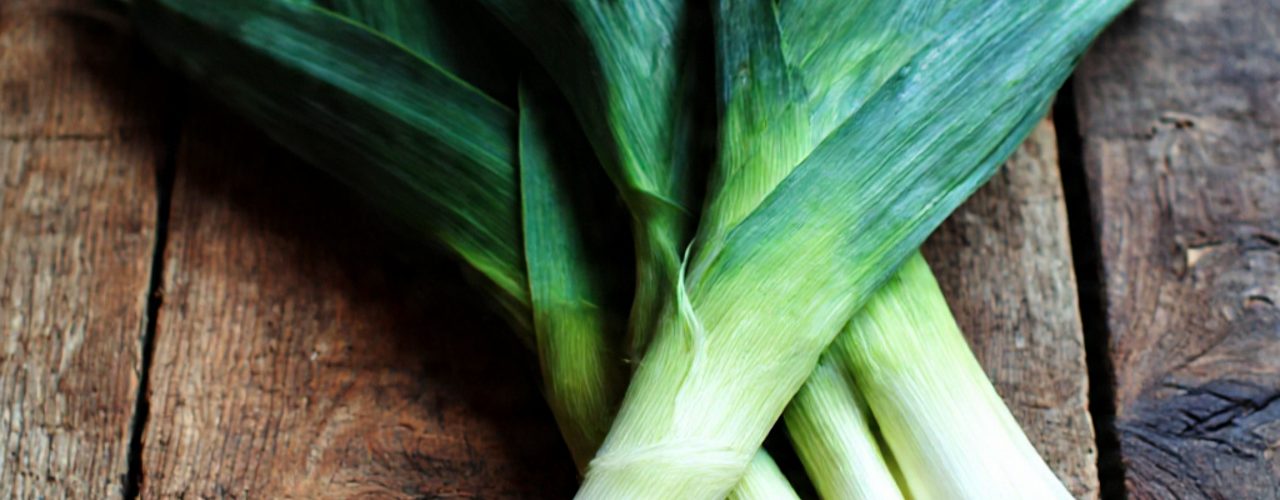
Allium parrum
Quick Reference |
|
| Optimum Soil Temperature | 10-25° |
| Days to Germination | 10 – 14 |
| Days to Harvest | 90-120 days from transplant |
| Direct Sow or Transplant | Transplant |
| Distance Apart | 20 cm |
| Soil pH | 6.0-7.0 |
| Annual/Biennial /Perennial | Annual (technically biennial, but grown as an annual) |
History |
| Leeks are a member of the allum family. Naive to the Middle East and Mediterranean they have been consumed for 6000 years, having been adapted to various climates.
Scientists have found dried leeks at Egyptian archeological sites. Hippocrotes (460BC-370BC) prescribed leeks as a cure for nosebleeds. Roman Emperor Nero loved leeks, he believed they helped his singing voice, his nickname was Porophagus (leek eater). In fact the Romans took leeks with them as they expanded their empire Leeks are the national symbol of Wales. Legend has it that King Cadwaladr told his soldiers to wear the leeks in battle so that they would be able to see easily who were on their side. TO this day the leek is on the cap cap badge of the Welsh guards. |
Growing |
| Leeks are generally hardy and cold resistant, can handle a range of temperatures and are fairly disease and pest resistant. They do well in clay soils but they will struggle in sandy or humus depleted soil. They prefer a soil rich in organic matter
When sowing seed firm the soil well as leeks like to fully encased. Water in well and keep moist and weed free Plant seedlings to a depth of about 2/3rd their length i.e. if a seeding is 15cm, plant 10cm in the ground, 5cm above. Hill soil around the leeks for longer, whiter stalks. Storing harvested Leeks: Will last up to two weeks in the refrigerator |
| Feeding: Apply liquid fertiliser. Leeks love Potassium
Keep moist, Leeks do not do well in drought Keep weed free |
Fun Facts |
| Young leeks are tender and their flavour delicate. Older chunkier leeks are perfect for soups as not only do they add flavour and texture but help thicken the dish.
Leeks can be eaten many ways: Boiled they have a mild taste, fried they are a crunchy flavour hit. They can even be added raw to salads Indonesia is the largest leek producer in the world They are rich in antioxidants, potassium and iron Toxic to dogs and cats The Leek is the symbol of Oltenia region in Romania Try adding a bit of leek when cooking beans for a flavour burst. The Welsh believe the leek wards off evil spirits. Sleeping with a leek under your pillow on St David’s Day will cause you to dream of your future husband. |
Problems |
| Botrytis, grey mould – soft roots with grey or brown mould – more common in storage) Store in dry well ventilated conditions.
Bulbs split at base – heavy rain or watering after a prolonged dry spell. Water frequently in dry weather. Bolting/Running to seed – seed sown at the wrong time. Sow correct variety at the correct time. Downy Mildew – Grey or purple spots on leaves. Leaves appear pitted. Usually occurs in wet weather. Improve air circulation and drainage. Heavy top growth/Leaf droop – Too much Nitrogen or manure. Soft Bulbs – Excess Nitrogen |
Pests |
| Thrips – blotched silver, grey or white. Leaves may deform in severe cases. More common in dry weather. Keep garden weeded. Keep plants well watered |
Companion Planting |
| Beets, Cabbages, Carrots, Leeks, Lettuce, Marjoram, Parsley, Parsnip, Roses, Silverbeet, Strawberries, Tomatoes
NEVER Beans, Broad Beans, Bush Beans, Climbing Beans, |